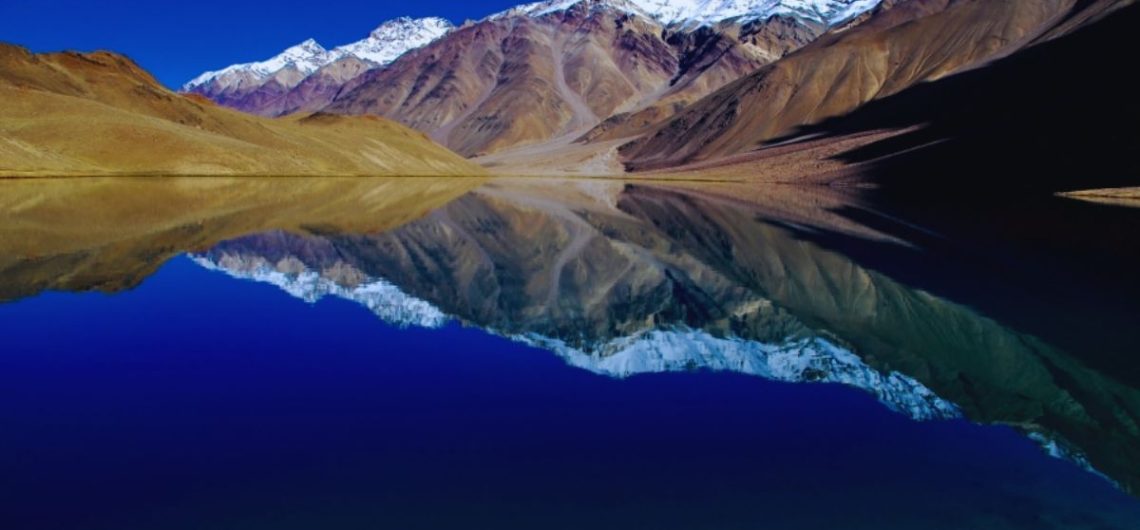
Spiti Valley Tour: Plan a 07 Days/06 Nights Trip
Dates: August 11 – 17, 2025
Spiti Valley, located on the Tibetan border enclosed by Tibet, Ladakh and Lahoul and Kullu is a masterpiece destination that must be visited at least once in a lifetime.
Geologically and archeologically Spiti Valley is a living museum. It is a high-altitude cold desert, and its lunar landscapes are still stretches, where every other rock is similar to a fossil. Spiti Valley is formed by the Spiti River, which rises on the slopes of Kunzom Pass (4551 m above sea level) and ends at the river confluence with Pare-Chu near Sumdo.
The length of the valley is about 150kms. There are two routes to reach Spiti Valley – one over Rohtang Pass (3978 m) and Kunzom Pass and the second via Shimla, Rampur, and Kinnaur. Spiti was once an integral part of the West Tibetan Kingdom of Guge in the early 17th century. Guge became fragmented, and Spiti, along with Lahaul Valley, came under Ladakhi rule.
It serves as a vital link of the Great Trans-Himalayan trade route from Lhasa to Kashmir and Spiti – Literally, equating to ‘the middle country’ – it finds itself locked between the mountain range and the international border. It is now part of the Himalayan tribal sub-division of Lahoul and Spiti District of Himachal Pradesh. Today more and more travelers, tourists, trekkers, geologists, and researchers are discovering this wonderful and last inhabitable world.
With the long weekend coming up August 2025, you can plan a fabulous trip up north to the exotic scenic locales of Spiti Valley, from Delhi through a 7-day itinerary.
Trip Highlights:
- Activity – Cultural tour, Region: Spiti, Himachal, Max Altitude – 4551 meters, Max sleeping altitude – 4360 meters
- Best Time to Visit: May end – Oct end
Itinerary:
Day 1: Travel from Delhi to Manali. Stay overnight in Manali.
Day 2: With an early departure from Manal, drive towards Solang, Dhundi to Atal Tunnel Rohtang to Lahaul & Spiti district of Himachal Pradesh. Using the Kunzom La pass, situated at a height of 4550m, proceed to Losar, the most picturesque village of Spiti Valley. Later proceed towards Pangmo, Hal to Rangrik and stay overnight in Kaza.
Day 3: While leaving Kaza, visit Lalung, Dankhar, and Tabo. Visit Sherkhang Monastery at Lalung, followed by Dankhar Monastery – the conventional capital of the Spiti kingdom, with the main attraction as a natural lake situated above the village.
Later visit Tabo, popularly termed as the ‘Ajanta of the Himalayas’. A visit to Tabo Gompa & a short hike to Tabo Caves and a drive to Pin Valley. Pin Valley is a national park known as the land of Ibex and Snow Leopard. The most interesting to see are the Chamurti horses, which are popularly called the ‘Camel of a cold desert’. Overnight stay at Mudh.
Day 4: Leave Mudh, to visit Kungri Gompa in Pin Valley and drive back to Atargo from Lidang, en route one of the highest villages of the Spiti Valley. Visit the high villages of Komic, Hikkim, Langza, situated at a height between 13500 ft. and 14400 ft. – favorite places to find fossils. Later drive to Hikkim, Langza. Overnight stay at Langza.
Day 5: Bidding adieu to Langza, drive to Kee and explore the monastery. Later drive up to the Kibber village (4200 meters above sea level), visit the Tashi Gang village – second highest in the world and finally drive back to Kibber for an overnight stay.
Day 6: Depart from Kibber drive to Chichim, Dumla, Ladarcha, Kiato to Losar – the last village in the valley. The panorama as viewed from the top of the pass is enthralling and inspiring. Continue to ‘Chandrataal – The Lake of Moon’, as the name indicates. Vast meadows around the lake are covered with alpine flowers. Finally, drive back via Atal Tunnel towards Manali.
Day 7: Travel from Manali to Delhi. Stay overnight. Trip Ends
- Going on a bike trip, covering the entire Spiti Valley belt via roadways can prove to be an exciting yet a challenging task, if precautions are not followed.
- This offbeat adventure location can easily become as one of the most memorable journey experiences of your life, with the abundant scenic views, warmth, beauty and undiscovered gems the valley belt has to offer.
Important Things to Carry:
- For a trip to Spiti Valley – pack warm, layered clothing, sturdy waterproof shoes, and essentials for high-altitude trekking, such as a good backpack, a power bank, and a first-aid kit.
- Items for personal hygiene, including sunscreen and lip balm to combat the dry climate.
- Warm cover – Thermal inners, fleece jackets, down jackets, waterproof and windproof outer layers are crucial due to Spiti’s cold climate.
- Comfortable and sturdy footwear – insulated, strong, carry an extra pair too.
- Dry snacks (dry items, energy bars) and sufficient drinking water.
- Electronics (Charger, power bank)