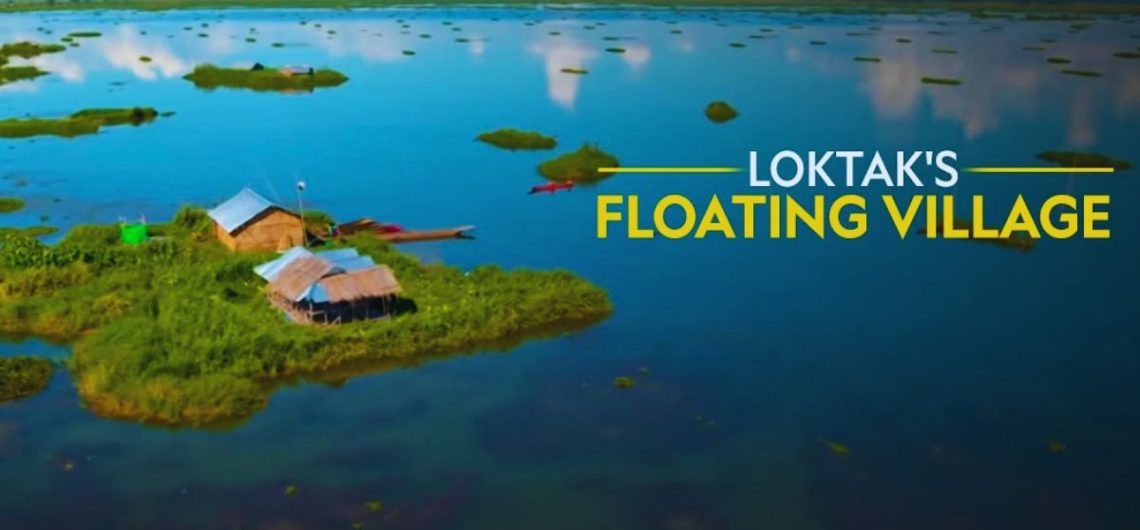
Hidden in the pristine northeast of India lies a rare wonder which not many would have heard of – India’s floating village, nestled on the Loktak Lake in Manipur. Often referred to as the ‘Jewel of Manipur’, this massive freshwater lake is famous for its ‘phumdis’ — chunks of floating vegetation, soil and organic matter that form the base for a unique lifestyle.
The floating village of Champu Khangpok, situated atop these phumdis, offers a rare glimpse into village life lived entirely on water. From a fascinating transport system to captivating sights and traditional activities, this hidden gem is a must-visit for offbeat location travelers.
Loktak Lake and the Floating Village
Loktak Lake, located about 50 kilometers from Manipur’s capital Imphal, is the largest freshwater lake in Northeast India. It spans over 285 square kilometers and is globally renowned for its phumdis, which support not just aquatic life but also human settlements of that area. The most notable of them is the Champu Khangpok village, home to around 200 people, all of whom live on these floating islands.
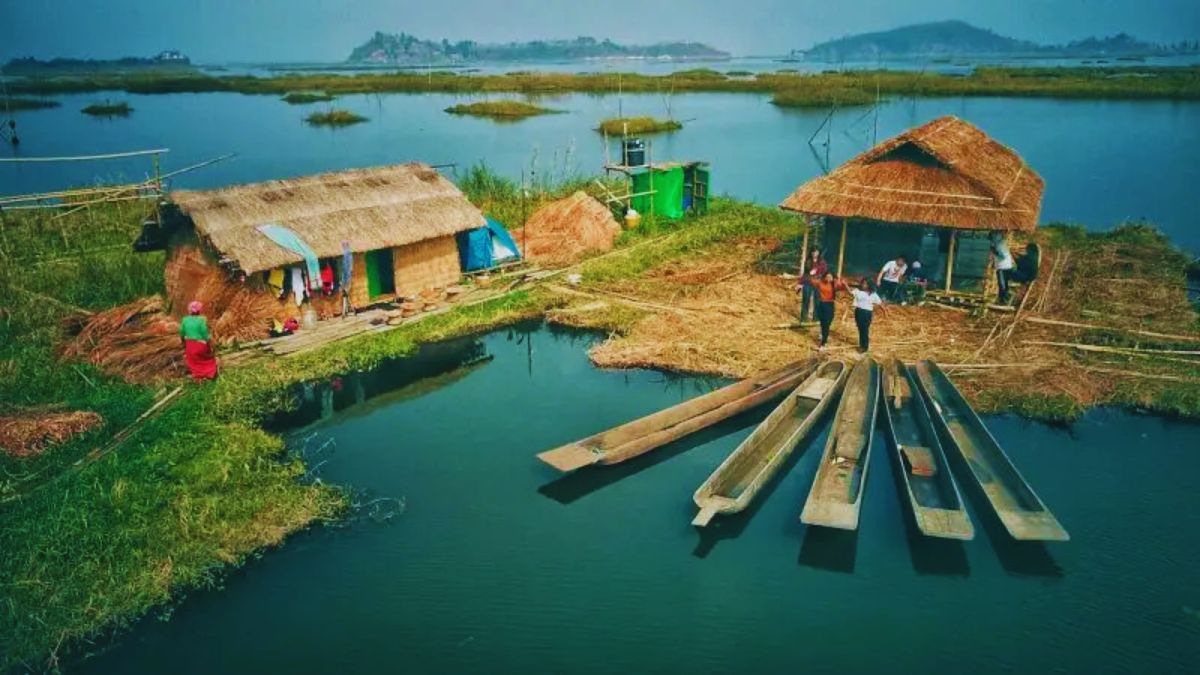
This floating village is not built on stilts or boats, as one would imagine but on naturally occurring circular-elliptical biomass formations. The villagers build huts on them, fish in the surrounding waters, grow vegetables, and raise livestock — all on floating platforms!
Transport: Moving Across a Water World
Since there are no concrete roads or cemented footpaths, small wooden boats serve as the only means of transportation across the village of Champu Khangpok. Every household owns a boat, often hand-carved, which is widely used for:
- Commuting between homes
- Visiting nearby areas for trade or school
- Fishing and collecting edible water plants
- Transporting supplies and goods
The absence of motor vehicles makes the village extremely quiet and serene. Locals gracefully paddle through narrow water lanes — an everyday sight that adds to the pleasant charm of this floating haven.
Climate: A Mix of Calm & Change
Manipur as a north-eastern area, similar to the sister states like Meghalaya and Sikkim enjoys a sub-tropical climate, and Loktak Lake reflects this pattern vividly. The best time to visit the floating village is between October – March, when the weather is cool, dry, and pleasant.
During this time, migratory birds also visit the lake, making it a paradise for birdwatchers.
- Summer (April-June): Warm and humid, with temperatures between 25 to 35 degrees.
- Monsoon (June-September): Heavy rainfall can affect accessibility and increase water levels, making it difficult to travel and stay, so it’s best to avoid this period.
- Winter (October-March): Cool and dry season, ideal for tourism and photography (temperatures range from 4 to 25°C).
Places to See Around Loktak Lake
While Champu Khangpok is the focal point which must be definitely visited, the region around Loktak Lake is also filled with fascinating sites and natural wonders one can explore.
1. Keibul Lamjao National Park
- The only floating national park in the world – one that cannot be missed. This national park is home to the Sangai deer, a rare and endangered species found only in Manipur.
- The park floats on phumdis and is a must-visit for wildlife lovers and photographers.
2. Sendra Island
- A small hilltop island with panoramic views of the picturesque Loktak Lake, and serves an ideal spot for picnics, photography and nature walks. A tourist complex here does offer food and limited accommodation options.
3. INA Museum, Moirang
- This historic landmark showcases artifacts related to the Indian National Army (INA) and Netaji Subhas Chandra Bose, the man responsible for setting up the INA.
- Located near the lake, the museum provides cultural context and adds depth to the visitor’s enriched experience.
4. Phubala and Thanga Islands
- This is a group of small villages and spots that offer scenic beauty, fishing experience, and homestay options for a more immersive visit.
Unique Activities to Try
Visiting India’s serene floating village is about more than mere sightseeing; it’s about experiencing a different way of life – slow, unhurried, relaxed and thoughtful. Some activities that visitors can enjoy include the below mentioned details:
1. Boating with Locals
- Take a guided ride through the floating huts and narrow water lanes. This provides a unique opportunity to experience the daily life of locals – watching fishermen at work or women tending floating gardens.
2. Fishing and Phumdi Harvesting
- One of the best activities to try is the traditional fishing technique using bamboo traps or nets. Also, one can observe how locals harvest and maintain the phumdis to keep their homes afloat – a rare and unbelievable experience in itself.
3. Birdwatching
- Spot rare migratory and native birds, especially between the November to February period, one that is a peak season to visit this floating lake and village.
4. Cultural Interactions
- Spend time with locals, learn about their food, music, and traditions and culture. You can enjoy a meal of freshly caught fish, rice, and fermented delicacies native to Manipur.
India’s floating village on Loktak Lake is not just a destination; it’s a living & breathing active ecosystem surrounded by nature and nurtured by generations of the region. It offers a deep connection with water, community, and tradition — a complete contrast to urban city life. Whether you’re an adventurer, a nature lover, or a cultural explorer, a trip to Champu Khangpok will leave you humbled and inspired.
Let the stillness of the waters, the melodious rhythm of paddles and the gentle sway of floating homes transport you into a world that blends harmony and travel in perfect harmony.