India is a land of breathtaking contrasts — from majestic mountains and tropical forests to surreal salt deserts and floating islands.
While most travelers stick to famous destinations, the country hides countless natural treasures waiting to be explored. These seven natural wonders of India offer untouched beauty, rich biodiversity, and cultural depth — perfect for travelers seeking peace, adventure, and authenticity away from the crowds. Here are seven spectacular places that showcase the true natural diversity of India.
7 Hidden Natural Wonders of India
1. The Great Rann of Kutch, Gujarat
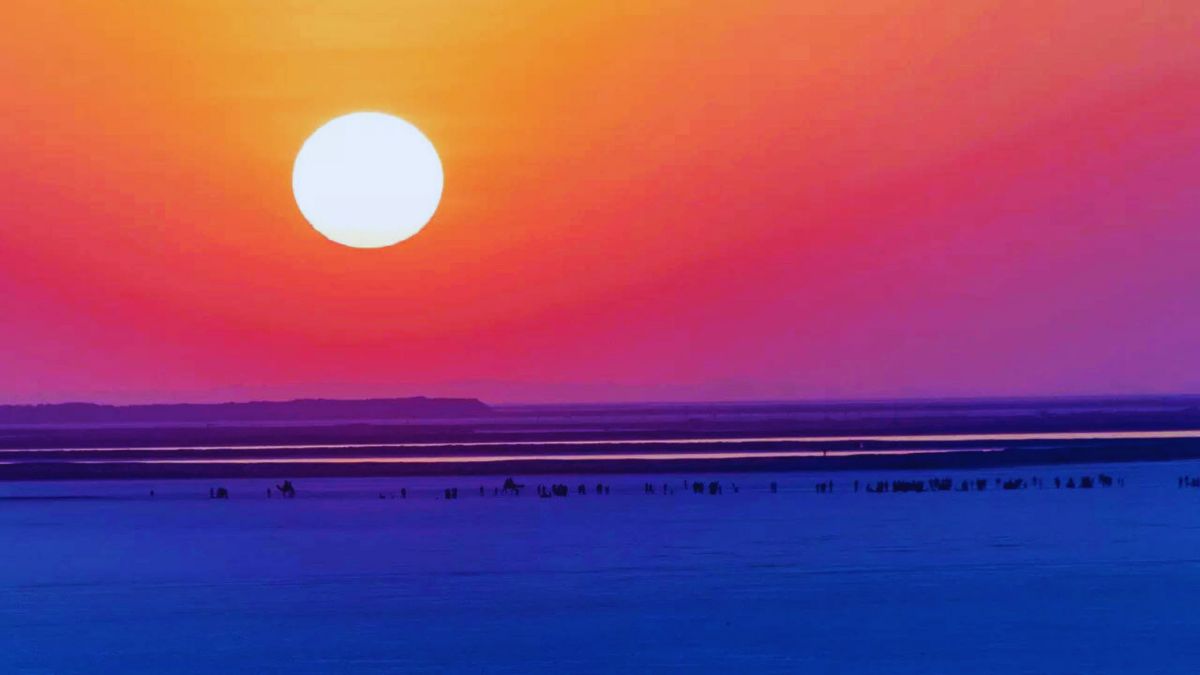
Spanning over 30,000 square kilometers, the Great Rann of Kutch is the world’s largest salt desert, located in Gujarat’s Thar region.
- During monsoon, it transforms into a shimmering saltwater marsh, and in winter, it becomes a vast expanse of white magic.
- The iconic Rann Utsav, held between November and March, celebrates the region’s vibrant culture through folk music, art, handicrafts, and dance.
- A full-moon night in the white desert is an experience unlike any other — peaceful, mesmerizing, and absolutely unforgettable.
Best time to Visit: November to February
2. Valley of Flowers, Uttarakhand
A UNESCO World Heritage Site, the Valley of Flowers National Park in Uttarakhand bursts into a riot of colors during the monsoon.
- Its vast alpine meadows host over 600 species of flora, including the rare blue poppy and Brahma Kamal.
- This high-altitude valley is also home to unique medicinal herbs and wildlife such as snow leopards, red foxes, and Himalayan black bears.
- The trek to the valley is both challenging and rewarding, with breathtaking mountain views all along the way.
Best time to Visit: July to September
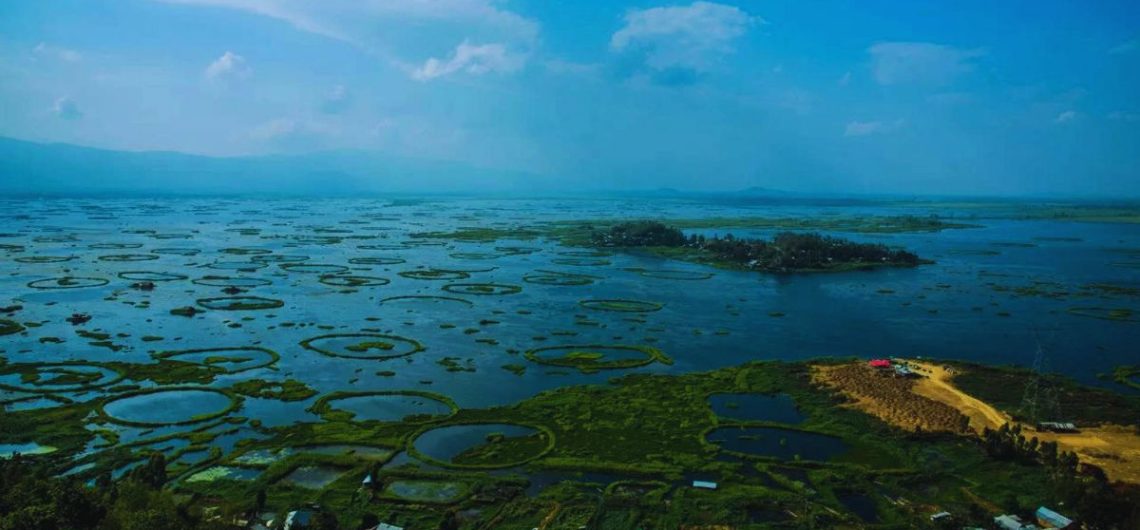
3. Loktak Lake, Manipur
This natural wonder is located in the heart of Manipur, Loktak Lake is famous for its floating islands and the world’s only floating national park — Keibul Lamjao National Park.
- The park shelters the endangered Sangai deer, also called the ‘Dancing Deer of Manipur’, and supports over 400 species of animals and 57 varieties of birds.
- A serene boat ride through Loktak lake’s waters is a must-do, especially during sunrise or sunset.
Best time to Visit: October to March
4. Lonar Crater Lake, Maharashtra
Formed nearly 50,000 years ago by a large meteorite impact, the Lonar Crater Lake in Maharashtra is one of Earth’s rarest geological marvels.
- It’s the third-largest crater lake globally and uniquely holds both saline and alkaline water.
- Scientists and travelers alike are drawn to its ecosystem, which hosts microorganisms found nowhere else.
- The area is surrounded by ancient temples, making it a fascinating blend of science, spirituality, and natural beauty.
Best time to Visit: November to February
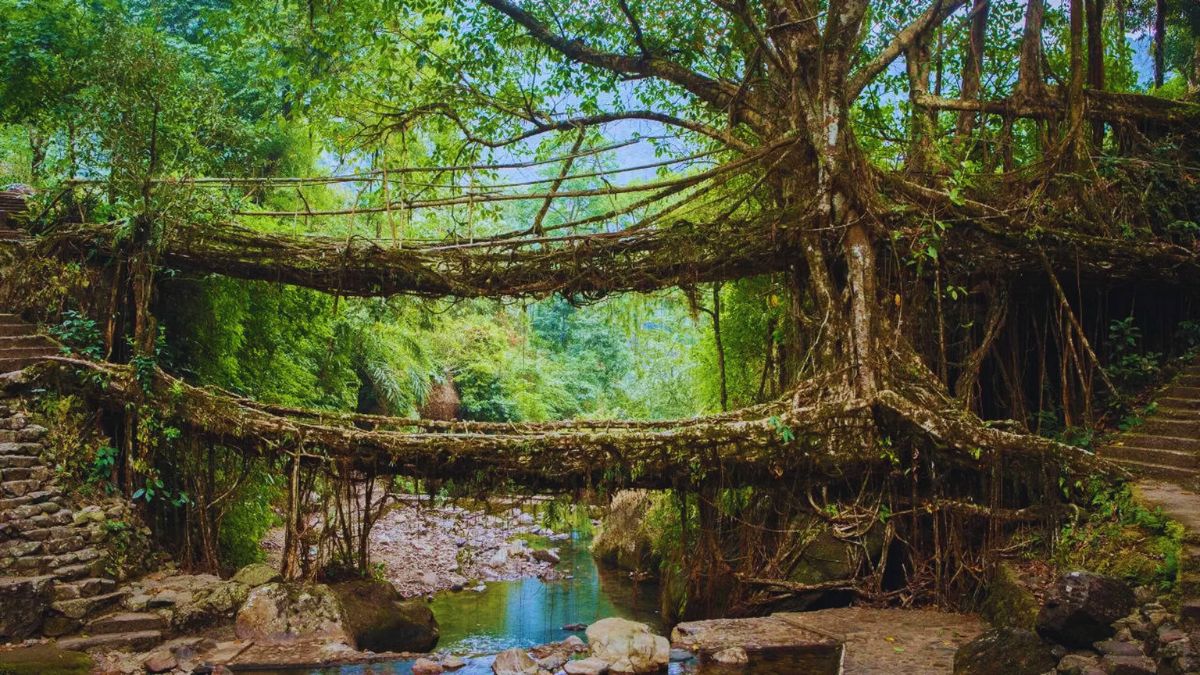
5. Living Root Bridges, Meghalaya
In the lush rain forests of Meghalaya, the Khasi and Jaintia tribes have crafted incredible living root bridges using the roots of a tree.
- The most famous is the double-decker bridge in Nongriat, which can hold up to 40 people at once.
- Trekking through the dense forests to reach these bridges is an adventure filled with waterfalls, caves, and unspoiled greenery.
Best time to Visit: October to April
6. Pangong Lake, Ladakh
At an altitude of 4350 meters, Pangong Lake is a mesmerizing sight that stretches across India and China.
- The lake’s waters change color throughout the day, shifting from light turquoise to deep royal blue.
- Its remote beauty and peaceful surroundings make it ideal for camping, stargazing, and photography.
- Pangong gained international fame after appearing in several Bollywood films, yet it remains one of the most serene destinations in Ladakh.
Best time to Visit: May to September
7. The Western Ghats
Running parallel to India’s western coast, the Western Ghats stretch across six Indian states and form one of the world’s eight biodiversity hotspots.
- A UNESCO World Heritage Site, this mountain range is home to 7400+ species of plants and animals (flora and fauna) with many of them rare varieties.
- From the tea gardens of Munnar and Ooty to the waterfalls of Wayanad’s rain forests, the Ghats offer endless opportunities for Eco-tourism, trekking, and nature photography.
Best time to Visit: June to February
India’s natural wonders go far beyond the usual tourist trails. Whether it’s a shimmering white desert, a floating lake, or living bridges deep in the jungle, each destination showcases the country’s diverse geography and deep-rooted culture.
For travelers seeking peace, adventure, and authenticity, these 7 hidden gems and offbeat destinations in India are not just places to visit — they’re experiences to remember for a lifetime.