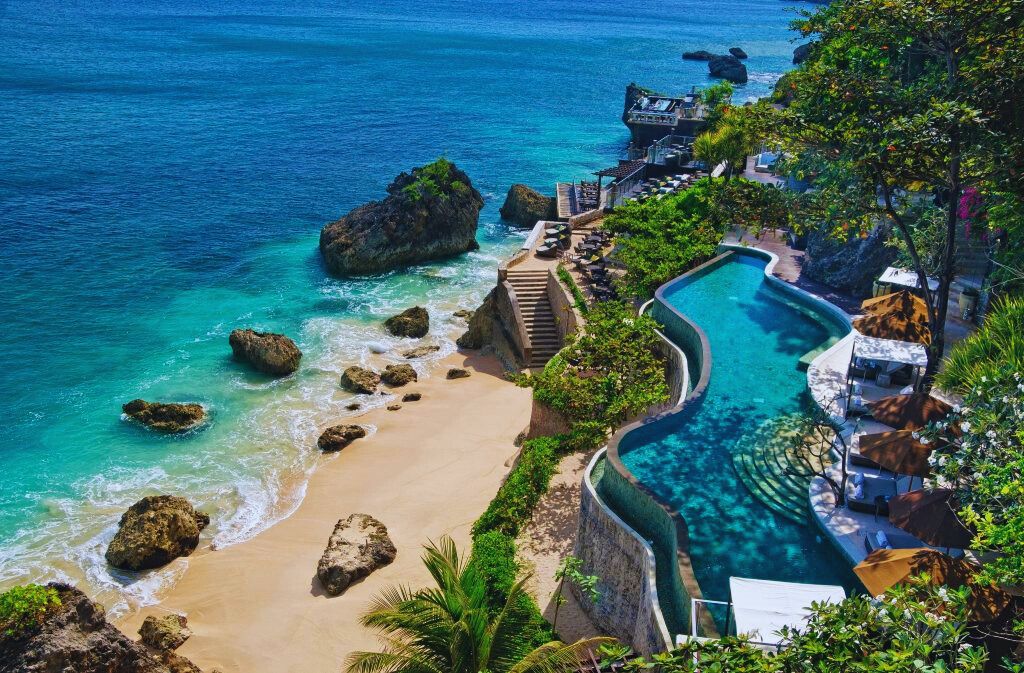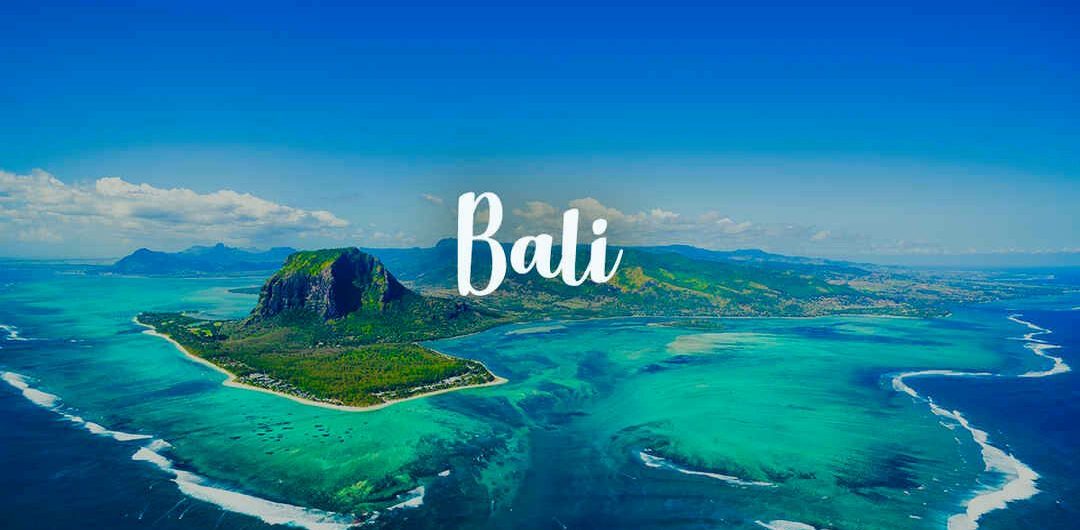
Bali, often referred to as the “Island of the Gods,” is one of the world’s most renowned tourist destinations, celebrated for its unique blend of natural beauty, rich cultural heritage, and warm hospitality. Located in Indonesia, Bali attracts millions of visitors each year with its pristine beaches, lush rice terraces, volcanic mountains, and vibrant marine life. Beyond its scenic landscapes, the island is deeply rooted in tradition, with daily religious ceremonies, distinctive architecture, traditional dances, and art forms that reflect the strong influence of Balinese Hindu culture. Tourism plays a vital role in Bali’s economy, driving development while also encouraging the preservation of local customs and the environment. As a destination that offers relaxation, adventure, spirituality, and cultural exploration, Bali continues to captivate travelers from around the globe.
places to visit in Bali written number-wise:
- Ubud – The cultural center of Bali, famous for art galleries, traditional dance, the Sacred Monkey Forest, and beautiful rice terraces.
- Kuta Beach – Known for its lively atmosphere, surfing waves, shopping areas, and vibrant nightlife.
- Seminyak – A stylish destination offering luxury resorts, beach clubs, fine dining, and upscale shopping.
- Nusa Dua – Ideal for relaxation, featuring clean beaches, calm waters, and high-end resorts.
- Tanah Lot Temple – A famous sea temple built on a rock formation, best visited during sunset.
- Uluwatu Temple – Located on a high cliff with stunning ocean views and traditional Kecak dance performances.
- Besakih Temple – Known as the Mother Temple of Bali, it is the largest and most important Hindu temple on the island.
- Mount Batur – An active volcano popular for sunrise trekking and scenic views.
- Tegallalang Rice Terraces – Famous for their beautiful layered rice fields and traditional irrigation system.
- Nusa Penida – A nearby island known for dramatic cliffs, crystal-clear waters, and excellent snorkeling and diving spots.
Here are the adventure things to do in Bali written point-wise:
- Surfing – Enjoy world-class waves at beaches like Kuta, Uluwatu, and Canggu, suitable for beginners and professional surfers.
- Mount Batur Sunrise Trek – Hike an active volcano early in the morning to witness a stunning sunrise view.
- White-Water Rafting – Experience thrilling rapids on the Ayung and Telaga Waja rivers surrounded by lush jungles.
- Scuba Diving – Explore coral reefs, shipwrecks, and marine life at Tulamben, Amed, and Nusa Penida.
- Snorkeling – Swim in crystal-clear waters and discover colorful fish and corals around Nusa Penida and Nusa Lembongan.
- ATV Quad Biking – Ride through rice fields, villages, forests, and muddy tracks for an exciting off-road adventure.
- Canyoning – Descend waterfalls, slide through natural rock formations, and jump into pools in Bali’s rainforests.
- Paragliding – Fly over cliffs and beaches in southern Bali for breathtaking aerial views.
- Jungle Cycling – Cycle downhill through traditional villages, plantations, and scenic countryside.
- Zip-Lining – Enjoy an adrenaline rush by gliding over forests and valleys on high-speed zip lines.
Language in Bali
The primary language spoken in Bali is Balinese, which is widely used in daily life and traditional ceremonies. Indonesian (Bahasa Indonesia) is the official national language and is commonly spoken in schools, offices, and formal settings. Due to the large number of international tourists, English is widely understood, especially in hotels, restaurants, tourist areas, and travel services. In some tourist centers, visitors may also encounter people who speak other foreign languages such as Japanese, Chinese, French, and German, making communication easy for travelers.
Visa in Bali
Foreign tourists visiting Bali must follow Indonesia’s visa regulations. Many nationalities are eligible for a Visa on Arrival (VoA), which allows visitors to stay for a limited period and can be extended once. Some travelers from ASEAN countries may enter visa-free for short stays. For longer visits, work purposes, or special activities, travelers must apply for the appropriate visa before arrival. It is important to have a valid passport, return ticket, and sufficient funds when entering Bali.
Airlines to Bali
Bali is well connected to international and domestic destinations through Ngurah Rai International Airport (Denpasar). Several international airlines operate direct or connecting flights to Bali, including full-service and budget carriers. Domestic airlines connect Bali with major cities across Indonesia. With frequent flights and multiple airline options, traveling to Bali is convenient for visitors from around the world.
Food in Bali
Bali offers a rich and diverse food culture that reflects its traditions, local ingredients, and international influences. Traditional Balinese cuisine is known for its aromatic spices, fresh vegetables, rice, and a variety of sauces. Popular local dishes include Nasi Goreng (fried rice), Mie Goreng (fried noodles), Gado-Gado (vegetables with peanut sauce), Satay, and Lawar. Rice is the staple food and is usually served with vegetables, sambal (chili sauce), and side dishes.
Availability of Vegetarian Food for Indians
Yes, Indian travelers can easily find vegetarian food in Bali. Bali is very vegetarian- and vegan-friendly, especially in tourist areas such as Ubud, Seminyak, Kuta, and Canggu. Many restaurants offer pure vegetarian and vegan meals made from fresh vegetables, tofu, tempeh, lentils, and rice. There are also several Indian restaurants serving North Indian and South Indian vegetarian dishes like dal, paneer, roti, naan, dosa, and rice. Some hotels and restaurants also prepare Jain food on request.
Overall, Bali is a comfortable destination for Indian vegetarians, with plenty of food options that cater to different dietary preferences.
Culture of Bali
The culture of Bali is rich, vibrant, and deeply rooted in tradition and spirituality. It is strongly influenced by Balinese Hinduism, which shapes the daily life of the people. Religious rituals and ceremonies are an essential part of Balinese culture, and offerings made of flowers, rice, and incense can be seen outside homes, temples, and shops every day.
Bali is famous for its traditional arts, including dance, music, painting, wood carving, and sculpture. Classical dance forms such as Barong, Legong, and Kecak tell stories from ancient epics like the Ramayana and are performed during temple festivals and cultural shows. Gamelan music, played with traditional instruments, accompanies these dances and ceremonies.
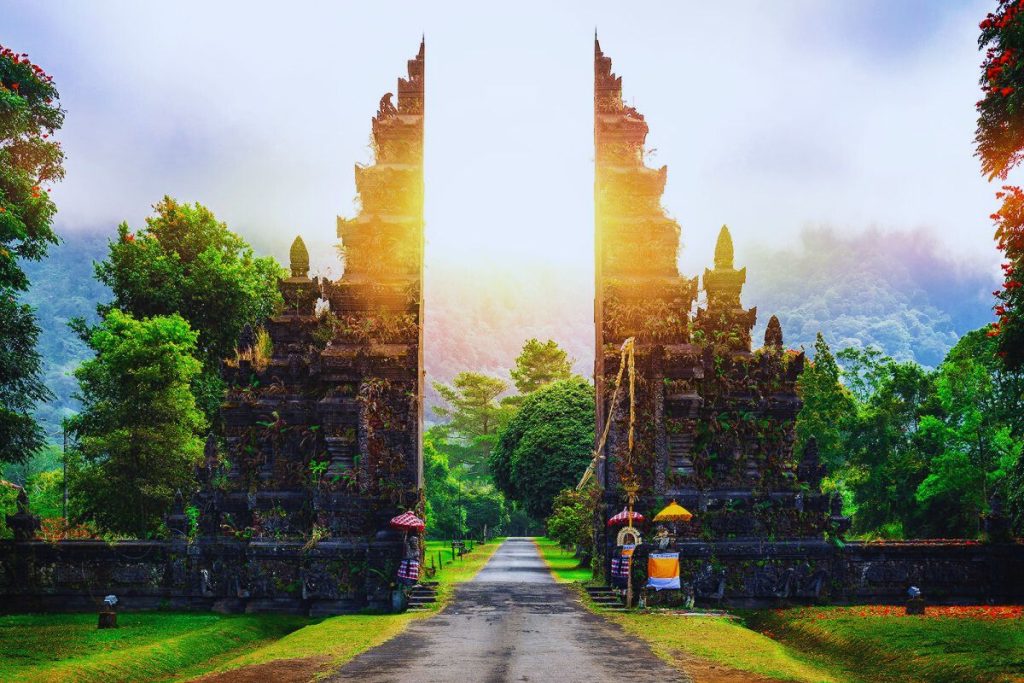
The island is also known for its unique architecture, especially its temples, which feature stone carvings, tiered roofs, and open courtyards. Temples such as Besakih, Tanah Lot, and Uluwatu are not only religious centers but also symbols of Balinese cultural identity.
Community life in Bali is organized around the banjar (local village council), which promotes cooperation, social harmony, and shared responsibility. Festivals, ceremonies, and family events are celebrated collectively, reflecting the Balinese values of balance, respect, and togetherness.
Overall, Bali’s culture is a harmonious blend of religion, art, tradition, and community life, making the island unique and culturally rich for visitors from around the world
Here are some interesting facts about Bali:
- Known as the “Island of the Gods” – Bali is famous for its thousands of temples and deep spiritual traditions.
- Unique Hindu culture – Bali practices a distinct form of Hinduism, different from that followed in India, blended with local beliefs and customs.
- Daily offerings everywhere – Small offerings called Canang Sari are placed outside homes, shops, and temples every day as a sign of gratitude.
- More than 20,000 temples – Bali has one of the highest numbers of temples per area in the world.
- Nyepi – the Day of Silence – Once a year, the entire island shuts down for 24 hours, including airports, to observe a day of silence and self-reflection.
- Rice terraces are a UNESCO heritage – Bali’s traditional Subak irrigation system is recognized as a UNESCO World Cultural Heritage.
- Volcanic island – Bali has active volcanoes, including Mount Batur and Mount Agung, which shape its fertile land.
- Strong community system – Balinese villages follow the Banjar system, encouraging cooperation and social harmony.
- Friendly and welcoming people – Balinese people are known worldwide for their warm hospitality and respectful nature.
- A global tourist favorite – Despite its small size, Bali attracts millions of international visitors every year.
Why Tourists Visit Bali
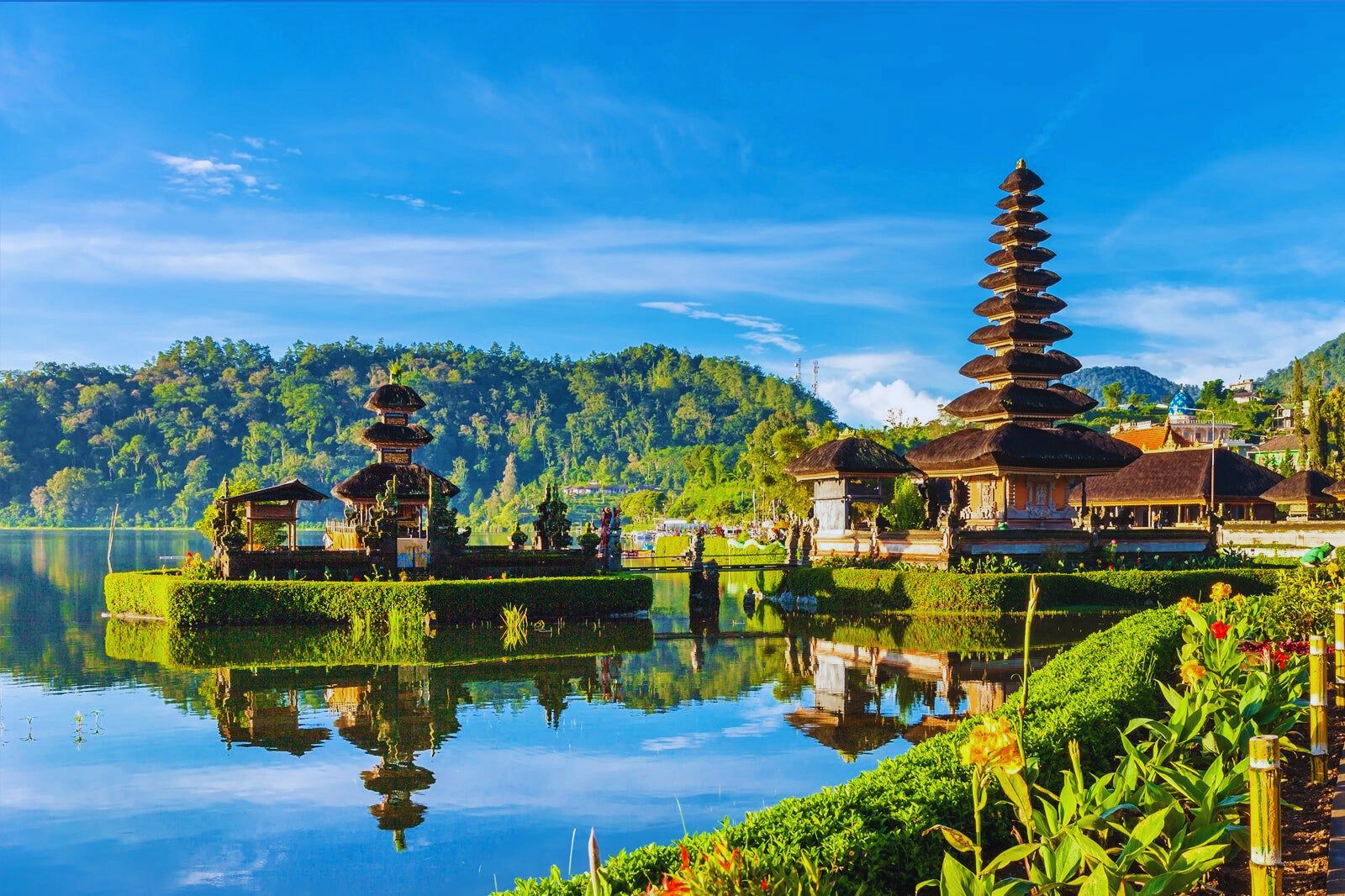
Tourists visit Bali because it offers a perfect combination of natural beauty, cultural richness, and relaxation. The island is famous for its beautiful beaches, lush rice terraces, waterfalls, and scenic landscapes. Bali’s rich culture, traditional temples, colorful festivals, and spiritual atmosphere attract travelers who want to experience something unique. It is also a popular destination for adventure activities such as surfing, trekking, diving, and rafting. In addition, Bali offers a wide range of accommodation options, from budget stays to luxury resorts, making it suitable for all types of travelers. Affordable travel costs and warm hospitality further encourage tourists to visit Bali.
What Tourists Like About Bali
Tourists like Bali for its peaceful and welcoming atmosphere. They enjoy the friendly nature of the local people and the island’s strong sense of tradition and community. Visitors appreciate the variety of experiences Bali offers, including cultural performances, wellness retreats, yoga and spa treatments, and vibrant nightlife. The availability of diverse food options, including vegetarian and international cuisine, is another reason tourists feel comfortable in Bali. Above all, tourists love Bali for its balance of relaxation, adventure, culture, and natural beauty, which creates memorable travel experiences.
Shopping in Bali
Bali is a shopper’s paradise, offering a wide variety of items ranging from traditional handicrafts to modern fashion. Tourists can buy wood carvings, silver jewelry, batik fabrics, paintings, home décor, souvenirs, and handmade accessories. Bali is also known for its spa products, essential oils, and tropical beauty products.
Where to Shop in Bali at Affordable Prices:
- Ubud Art Market – Famous for handmade crafts, souvenirs, batik, and paintings. Prices can be negotiated, making it ideal for affordable shopping.
- Kuta Art Market – Located near Kuta Beach, it offers jewelry, clothes, and souvenirs at budget-friendly prices. Bargaining is common here.
- Seminyak Flea Markets – Great for fashion, accessories, and home décor items. Prices are reasonable, especially when bargaining.
- Sukawati Art Market – Popular among tourists looking for affordable art, wood carvings, and traditional Balinese crafts.
- Denpasar Traditional Markets – Places like Badung Market are perfect for buying local food, clothes, and souvenirs at very low prices.
Tips for Shopping in Bali: Always bargain politely, as most markets allow negotiation. Shopping in local markets not only saves money but also supports Balinese artisans and small businesses.
Festivals of Bali That Indian Tourists Love to See
Bali is famous for its colorful and vibrant festivals, which reflect the island’s deep spiritual and cultural traditions. Many Indian tourists enjoy visiting Bali during these festivals to experience its unique culture and rituals.
- Nyepi (Day of Silence) – This is the Balinese New Year and one of the most important festivals on the island. Nyepi is a day of complete silence, reflection, and fasting. Indian tourists often visit just before Nyepi to see the Ogoh-Ogoh parade, where giant demon statues are carried through the streets in a spectacular procession.
- Galungan and Kuningan – Celebrated every 210 days, Galungan marks the victory of good over evil. The streets are decorated with penjor (bamboo poles with offerings), and traditional dances and rituals take place. Kuningan, which occurs 10 days later, marks the end of the celebration. Indian tourists enjoy witnessing the cultural ceremonies and temple offerings.
- Bali Arts Festival – Held annually in Denpasar, this festival showcases Balinese music, dance, crafts, and traditional performances. It is a favorite among tourists who want to see the island’s artistic heritage in one place.
- Saraswati Day – Dedicated to the goddess of knowledge, Saraswati Day is celebrated in temples and schools with offerings, prayers, and cultural performances. Indian tourists, familiar with goddess worship, often find this festival particularly interesting.
- Makepung Buffalo Races – Although not a religious festival, these traditional races in Tabanan attract tourists who enjoy unique cultural events. Decorated buffaloes race through muddy fields in a thrilling spectacle.
- Ubud Writers & Readers Festival – An annual festival that combines literature, culture, and art, attracting international visitors, including Indian tourists interested in culture and storytelling.
Final Perspective on Bali Tourism
Bali is a truly magical destination that combines natural beauty, rich culture, vibrant traditions, and exciting adventures, making it a top choice for travelers from around the world. The island offers something for everyone pristine beaches, lush rice terraces, majestic volcanoes, and serene temples create a landscape of unforgettable experiences. Bali’s unique culture, rooted in Hindu traditions, is visible in its daily rituals, colorful festivals, traditional dances, and exquisite arts and crafts, giving tourists an immersive cultural experience.
Adventure enthusiasts can enjoy surfing, trekking, white-water rafting, diving, and paragliding, while those seeking relaxation can indulge in yoga, wellness retreats, and spa treatments. Indian tourists, in particular, find Bali welcoming, with plenty of vegetarian food options, cultural similarities, and opportunities to witness vibrant festivals such as Nyepi, Galungan, and Saraswati Day. Shopping in local markets provides an affordable and memorable way to take home Balinese crafts, souvenirs, and art.
Overall, Bali’s charm lies in its perfect balance of adventure, relaxation, culture, and hospitality. Its warm people, scenic landscapes, and vibrant traditions make every visit a memorable journey, leaving tourists eager to return. Bali is not just a destination it is an experience that stays with you long after the journey ends.