India boasts a plethora of incredible wildlife safari destinations. Its diverse landscapes and rich biodiversity offer some of the most exhilarating safari experiences for the natives and foreign tourists, much to the standards of international destinations.
From the dense jungles of Madhya Pradesh to the grasslands of Assam, the country’s national parks and wildlife sanctuaries are home to an astonishing variety of flora and fauna, including the iconic Royal Bengal Tiger, Asiatic Lion, Indian Elephant, one-horned Rhinoceros, and many other rare and endangered species. If you’re a nature enthusiast or an adventure seeker, you must explore these thrilling wildlife safaris in India and add them on your bucket list today.
Top 5 Wildlife Safaris in India
1. Ranthambore National Park, Rajasthan
Best Time to Visit: October to April
Famous For: Tigers, Sloth Bears, Marsh Crocodiles, Hyenas
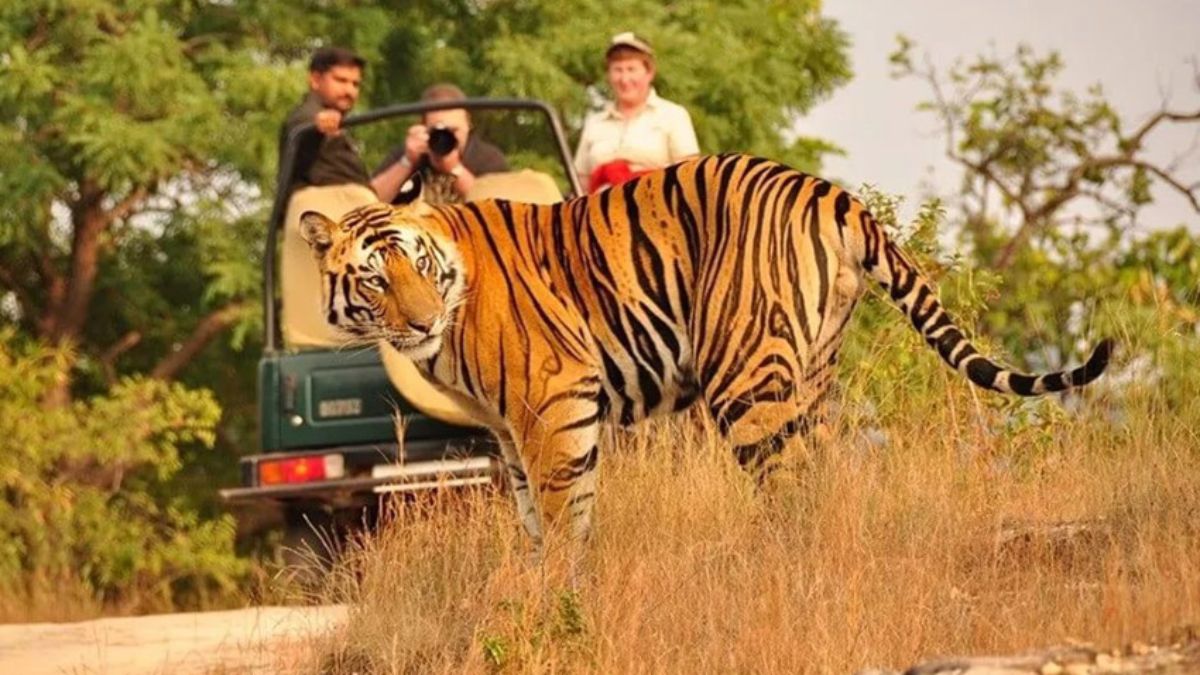
Once the hunting ground of Jaipur royalty, Ranthambore National Park is now one of the best places in India to spot the elusive tiger in its natural habitat. The park is located in the Sawai Madhopur district of Rajasthan and is surrounded by the Aravalli and Vindhya hills.
The presence of ancient ruins, lakes, and the majestic Ranthambore Fort within the park gives it a unique character. The open terrain makes tiger sightings more frequent, especially during early morning safaris. Ranthambore is divided into 10 zones, with Zones 1–5 being the most popular.
2. Jim Corbett National Park, Uttarakhand
Best Time to Visit: November to June
Famous For: Royal Bengal Tiger, Asiatic Elephant, Leopards, Crocodiles
Established in 1936, Jim Corbett National Park is the oldest national park in Uttarakhand and a part of the larger Corbett Tiger Reserve. Nestled in the foothills of the Himalayas, this park is spread across 520 square kilometers and offers one of the most scenic landscapes in India. It is known for its high tiger population and also boasts over 600 species of birds and a variety of reptiles.
Corbett offers both jeep and canter safaris, and the zones like Dhikala and Bijrani are particularly popular among tourists. Apart from wildlife, the beauty of the Ramganga River and the dense forests makes Corbett a must-visit for photographers and nature lovers.
3. Bandhavgarh National Park, Madhya Pradesh
Best Time to Visit: October to June
Famous For: Tigers, Leopards, Deer, Wild Boars
Bandhavgarh National Park, located in the Vindhya Hills of Madhya Pradesh, boasts one of the highest densities of tigers in India. Originally the private hunting preserve of the Maharajas of Rewa, it was declared a national park in 1968. Today, it is one of the most promising destinations for tiger sightings.
The park is also famous for its historical significance—Bandhavgarh Fort inside the park is believed to be more than 2,000 years old. With lush forests, scenic grasslands, and steep ridges, the park offers not only wildlife but also cultural and historical richness.
4. Gir National Park, Gujarat
Best Time to Visit: December to March
Famous For: Asiatic Lions, Jackals, Hyenas, Mugger Crocodiles
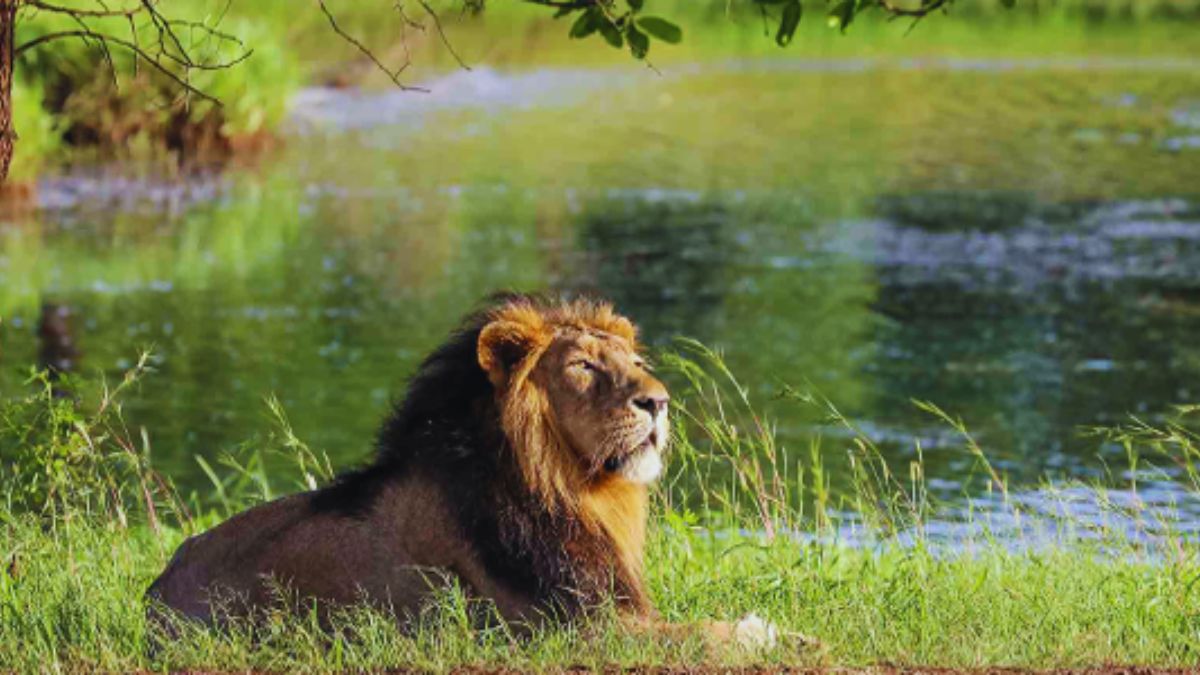
The Gir Forest National Park is the only place in the world where you can see Asiatic lions roaming free in the wild. Located in the Saurashtra region of Gujarat, Gir is a dry deciduous forest with rugged terrain and a sparse canopy, making lion sightings relatively easy.
The park is also home to a variety of other wildlife including leopards, nilgai, sambhar, and over 300 species of birds. The conservation success story of Gir is globally recognized, making it an essential destination for anyone interested in wildlife conservation and biodiversity.
5. Kaziranga National Park, Assam
Best Time to Visit: November to April
Famous For: One-horned Rhinoceros, Elephants, Tigers, Swamp Deer
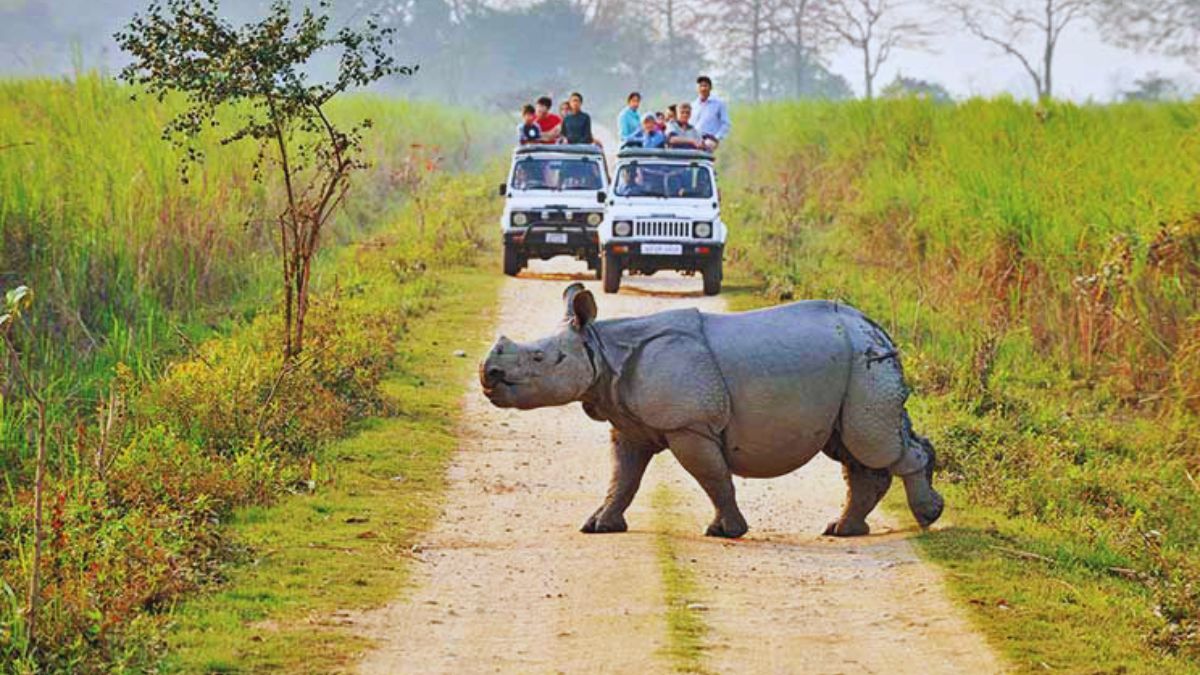
A UNESCO World Heritage Site, Kaziranga National Park is a jewel of Northeast India, Assam. It harbors more than two-thirds of the world’s remaining population of the one-horned rhinoceros. Spread across the floodplains of the Brahmaputra River, Kaziranga is also a Tiger Reserve and a haven for bird watchers.
The park’s tall elephant grass, marshlands, and shallow pools provide an excellent environment for wildlife. Apart from jeep safaris, elephant-back safaris are a unique attraction here, allowing a closer view of rhinos and wild buffaloes grazing in the grasslands.
Safari Tips for First-Time Visitors:
- Book in Advance – Safari slots, especially in peak seasons, get filled quickly. Online booking is recommended.
- Choose the Right Zone – Every park has multiple zones; some are richer in wildlife than others.
- Hire a Good Guide – A knowledgeable naturalist can significantly enhance your experience.
- Carry Essentials – Binoculars, camera, hat, sunscreen, and water are must-haves.
- Respect the Wild – Keep noise low, don’t litter, and never feed animals.
India’s wildlife safaris offer an immersive experience that goes beyond just spotting animals—they offer a deep connection with nature, conservation, and the untamed beauty of the subcontinent. Whether you want to hear the roar of a tiger, watch a rhino bathe in a swamp, or gaze at lions under a setting sun, India’s national parks deliver unforgettable moments. So, pack your bags, grab your camera, and get ready for the adventure of a lifetime in India’s wilderness!